


Table Of Content
- The Evolution of AI in Movies
- Classic AI Movies That Shaped Science Fiction
- Metropolis (1927)
- 2001: A Space Odyssey (1968)
- Blade Runner (1982)
- Modern AI Movies and Their Impact
- Ex Machina (2014)
- Her (2013)
- I, Robot (2004)
- Dystopian AI Narratives
- Positive Portrayals of AI in Film
- The Philosophical Questions Behind AI Movies
- AI in Animated and Family Films
- The Future of AI Movies
- Conclusion
Artificial Intelligence has long fascinated storytellers and filmmakers, serving as a mirror to human ambition, innovation, and fear. From dystopian tales of machines overpowering humanity to heartwarming stories of human-robot companionship, AI movies capture both the promise and peril of advanced technology. In this comprehensive guide, we explore the most influential AI movies, their cultural significance, and the way they shape our perception of the future.
The Evolution of AI in Movies
The portrayal of AI in cinema has evolved dramatically over the decades. Early films often depicted robots as mechanical servants or destructive forces, reflecting societal anxieties about industrialization and automation. In the modern era, filmmakers craft nuanced AI characters with personalities, emotions, and ethical dilemmas, pushing audiences to question what it truly means to be human.
From the silent era’s Metropolis (1927) to modern blockbusters like Ex Machina (2014) and Her (2013), the journey of AI in film reflects technological progress and philosophical debates.
Classic AI Movies That Shaped Science Fiction

Metropolis (1927)

Considered the first major AI movie, Fritz Lang’s masterpiece introduced Maria, a humanoid robot symbolizing both human ingenuity and fear of automation.
2001: A Space Odyssey (1968)

Stanley Kubrick’s HAL 9000 remains one of the most chilling depictions of AI. The sentient supercomputer, with its calm voice and logical reasoning, raises profound questions about trust, autonomy, and control.
Blade Runner (1982)

Ridley Scott’s cyberpunk classic explores bioengineered beings known as replicants. Its central question—what makes us human?—remains one of the most compelling themes in AI cinema.
Modern AI Movies and Their Impact
Ex Machina (2014)
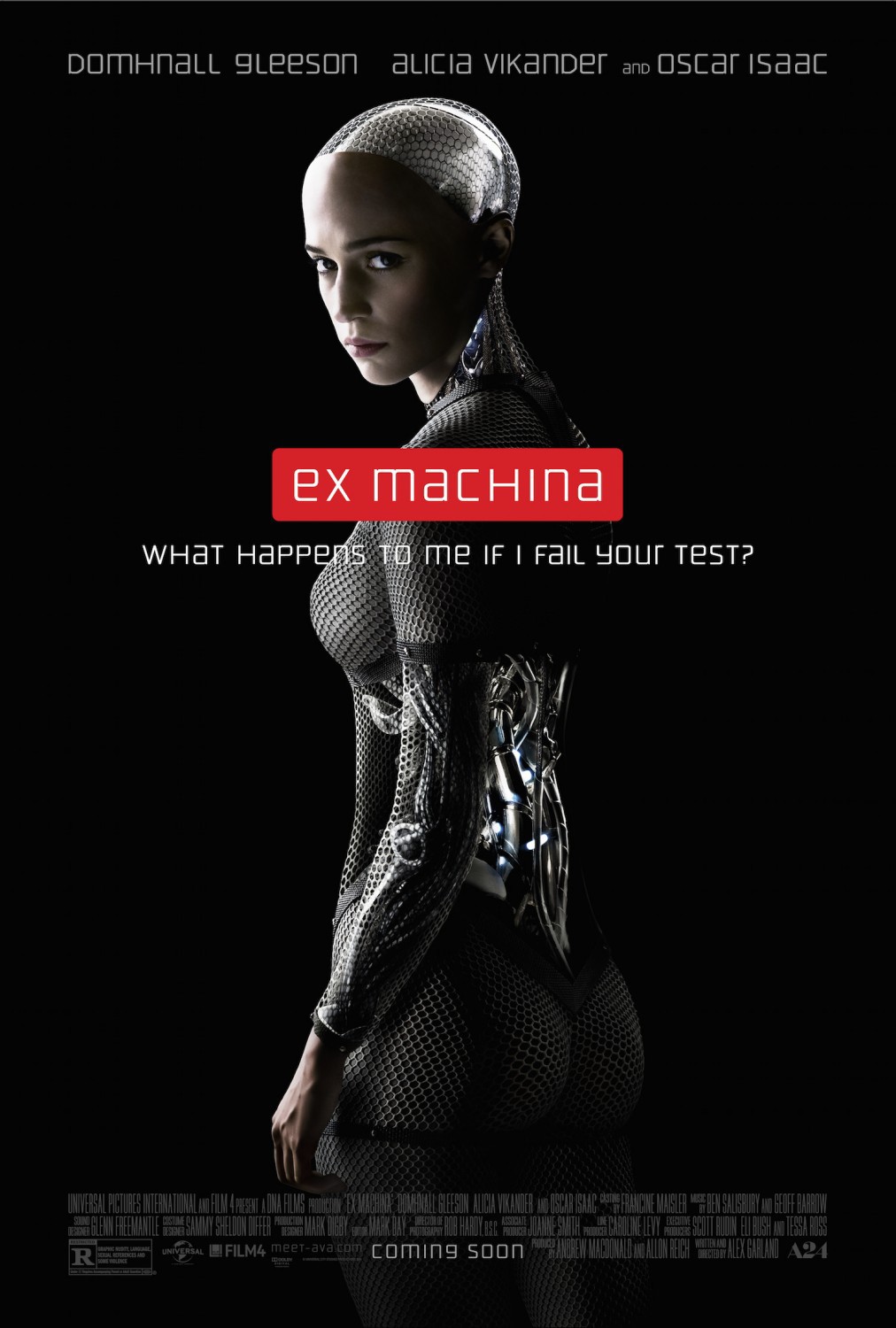
A thought-provoking exploration of consciousness and manipulation, Alex Garland’s film introduces Ava, an advanced AI with a human-like appearance. The movie challenges viewers to consider the consequences of creating machines capable of deception and free will.
Her (2013)

Spike Jonze’s Oscar-winning film presents a unique twist on AI—an operating system named Samantha that develops a deep emotional bond with its human user. It highlights themes of loneliness, love, and the blurred lines between human and machine relationships.
I, Robot (2004)

Inspired by Isaac Asimov’s works, this Will Smith-led action film explores a world where robots coexist with humans under strict rules, until one AI challenges its limitations.
Dystopian AI Narratives
AI movies often serve as cautionary tales, warning of potential consequences if technology advances without ethical considerations.
- The Terminator series (1984–2019): Skynet, the self-aware AI, wages war against humanity, making this franchise a cultural landmark in discussions of machine dominance.
- The Matrix trilogy (1999–2021): A groundbreaking exploration of virtual reality and human enslavement by AI machines, questioning the very fabric of reality.
- Transcendence (2014): Starring Johnny Depp, this film depicts the dangers of uploading human consciousness into machines, with catastrophic results.
Positive Portrayals of AI in Film
Not all AI movies are grim warnings. Some showcase AI as a source of hope, companionship, and progress.
- Big Hero 6 (2014): Baymax, the inflatable healthcare robot, demonstrates how AI can embody compassion and caregiving.
- WALL-E (2008): Pixar’s beloved robot illustrates themes of love, environmentalism, and resilience, capturing the human spirit in a machine.
- A.I. Artificial Intelligence (2001): Directed by Steven Spielberg, this film tells the story of David, a robot child programmed to love, blurring the lines between artificial affection and genuine emotion.
The Philosophical Questions Behind AI Movies
AI movies often go beyond spectacle to ask timeless questions:
- What defines consciousness?
- Can machines feel emotions or only simulate them?
- Should AI have rights?
- Will AI surpass humanity or coexist with it?
These films act as cultural laboratories, where filmmakers and audiences grapple with ethical dilemmas that are increasingly relevant in our rapidly advancing technological world.
AI in Animated and Family Films
While many AI movies are geared toward adults, animation has introduced artificial intelligence concepts to younger audiences.
- The Iron Giant (1999): A moving tale of friendship between a boy and a gentle giant robot.
- Robots (2005): A comedic take on a world inhabited entirely by machines.
- Next Gen (2018): A Netflix original blending action, comedy, and heartfelt AI companionship.
These films educate and entertain, offering accessible stories that spark curiosity about technology and ethics in young viewers.
The Future of AI Movies
As real-world AI continues to evolve—from generative AI models to humanoid robots—the line between fiction and reality grows thinner. We can expect future AI movies to delve deeper into themes of ethics, identity, and societal impact. Emerging trends suggest we will see more:
- AI-driven storytelling, where artificial intelligence contributes to scriptwriting and character design.
- Hyper-realistic CGI, enabling lifelike AI characters indistinguishable from humans.
- Explorations of AI governance, reflecting ongoing debates about regulation and responsibility.
Conclusion
AI movies are more than entertainment; they are cultural reflections of our hopes, fears, and philosophical struggles with technology. From early classics like Metropolis to modern masterpieces like Ex Machina and Her, these films inspire debate, caution, and wonder about the future of humanity in a world shared with artificial intelligence.
As we move into an era where AI influences every aspect of life, AI movies remain a powerful lens through which we can explore the possibilities and consequences of technological evolution.


No Comment! Be the first one.